 Skip to content

Most skincare entrepreneurs spend weeks hunting for reliable wholesale skincare ingredients, only to hit roadblocks with quality and supply. You don’t need extra headaches or guesswork to launch your brand. This guide breaks down exactly what to ask your skincare ingredient supplier, which documents like COA and SDS matter, and how MOQ and lead times affect your timeline. Get ready to source smart and start customizing, bottling, and selling with confidence.
Navigating Wholesale Ingredient Sourcing
Finding the right wholesale skincare ingredients doesn’t have to be a daunting task. By understanding the essentials, you can set your brand up for success and avoid unnecessary pitfalls.
Understanding Supplier Communication
Your relationship with your supplier begins with effective communication. Start by asking the right questions to ensure you’re on the same page. Inquire about the origin of their ingredients and their sourcing practices. Ask them to provide detailed information on the quality and purity of the products they offer. It’s also wise to discuss their shipping timelines and what you can expect in terms of order fulfillment. By establishing clear communication from the get-go, you ensure that both parties have aligned expectations, which is crucial for a smooth partnership.
Key Documents: COA and SDS
When sourcing ingredients, it’s important to request and review certain key documents. The Certificate of Analysis (COA) provides detailed information about the composition and quality of an ingredient, ensuring it meets your standards. The Safety Data Sheet (SDS) outlines important safety and handling information. These documents are essential for maintaining quality control and ensuring the safety of your products. Reviewing these documents not only helps you understand what you’re buying but also protects your brand.
Assessing Ingredient Quality and Ethics
Quality and ethics go hand-in-hand when selecting ingredients. Look for suppliers who offer ingredients that are plant-based and cruelty-free. It’s not just about what goes into your products, but how those ingredients are sourced and produced. Choosing ethically sourced ingredients resonates well with consumers who value sustainability and responsibility. This alignment with consumer values can enhance your brand’s reputation and foster loyalty.
Choosing Your Skincare Bases
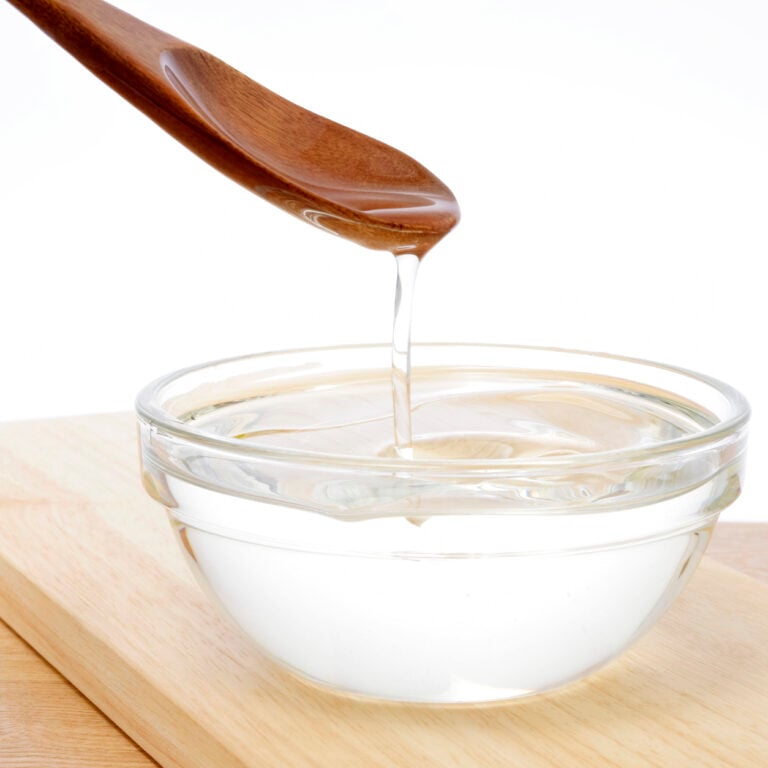
With a firm understanding of sourcing, it’s time to explore your options for skincare bases. These bases form the foundation of your product line, so choosing the right ones is critical.
Exploring Ready-to-Use Options
Ready-to-use skincare bases simplify the process of product development. These bases are professionally formulated and can be customized to suit your specific needs. Whether you’re looking for a vitamin C serum base or a shea and aloe lotion base, these options provide a solid starting point. They are ideal for entrepreneurs who want to launch products quickly without extensive formulation work.
Customization: From Jojoba to Retinol
Customization is key to standing out in the skincare market. You can personalize your products by adding unique scents, actives, or packaging. For instance, incorporating jojoba oil or retinol can differentiate your brand. By offering something unique, you capture the interest of consumers looking for products that meet their specific skincare needs.
Bulk Sizes for Scaling Success
As your business grows, so will your need for larger quantities of ingredients. Opting for bulk sizes, such as 5-gallon or 25-gallon skincare bases, can be more cost-effective and ensure a steady supply. This scalability is essential for maintaining consistency as you expand. Large quantities also allow you to meet increasing demand without compromising on quality or delivery times.
Practical Sourcing Strategies

Having a solid plan for sourcing is just as important as choosing the right ingredients. Implementing smart strategies ensures you’re prepared for growth and can handle any challenges that arise.
Managing MOQ and Lead Times
Understanding Minimum Order Quantities (MOQs) and lead times is crucial for efficient operations. Discuss these terms with your supplier to align them with your production schedule. Being clear on these factors helps you plan your inventory and avoid delays. It’s important to negotiate terms that suit your business size and needs, especially as you scale up.
Ensuring Consistent Quality Control
Quality control is vital to maintaining the integrity of your products. Regularly test ingredients and final products to ensure they meet your standards. Batch consistency and lot tracking are tools that can help monitor product quality. Implementing a robust quality control system protects your brand and builds consumer trust.
Setting Up Your Wholesale Account 🚀
Once you’re ready to source ingredients, setting up a wholesale account is your next step. This involves establishing terms with your supplier, such as payment methods and delivery schedules. Having a wholesale account streamlines the procurement process, making it easier to reorder and manage supplies. With everything in place, you can focus on growing your brand with confidence.
Frequently Asked Questions
What is a Certificate of Analysis (COA) and why is it important?
A Certificate of Analysis (COA) is a document provided by suppliers that details the quality and composition of an ingredient. It’s important because it verifies that the ingredient meets specified standards, ensuring product safety and efficacy.
How do I choose the right skincare bases for my brand?
Choosing the right skincare bases involves considering the type of product you want to create and your target market’s needs. Ready-to-use bases can simplify the process, allowing for customization with different actives and scents.
Why is ethical sourcing important in skincare?
Ethical sourcing is crucial as it aligns with consumer values of sustainability and responsibility. It ensures that ingredients are obtained in a manner that respects the environment and human rights, boosting brand reputation.
How can I manage production as my skincare business grows?
To manage production growth, consider purchasing bulk ingredients and setting clear terms with suppliers regarding MOQs and lead times. This approach ensures a steady supply and helps maintain product quality.
What documents should I request from my skincare ingredient supplier?
Key documents to request from your supplier include the Certificate of Analysis (COA) and the Safety Data Sheet (SDS). These documents provide information on the quality and safety of the ingredients, crucial for quality control.