 Skip to content
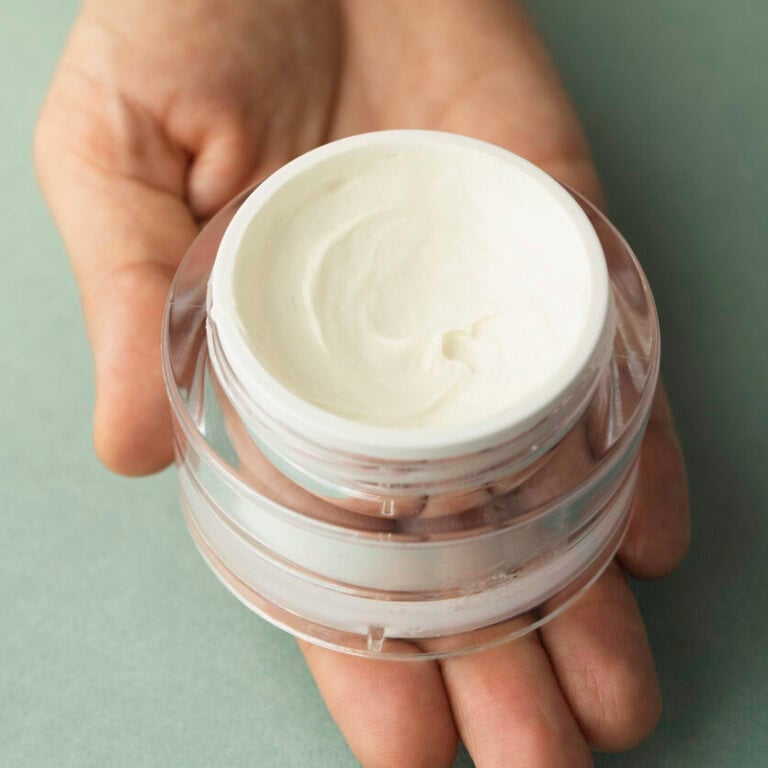
Choosing the right ready-to-use skincare bases can make or break your launch. You want formulas that are plant-based, cruelty-free, and free from parabens, phthalates, and sulfates—but also come with clear ingredient lists and reliable manufacturing standards. In this guide, you’ll learn exactly what to check before you commit, so you can customize, bottle, and sell with confidence from day one. For more information, check out our practical guide for beauty entrepreneurs.
Evaluating Skincare Base Quality
Choosing skincare bases for your brand is crucial. Start by examining transparency and quality, documentation, and compliance.
Ingredient Transparency and Quality
Clear ingredient lists are non-negotiable. You need to know exactly what’s in each base. Look for labels that detail every component. This transparency ensures you’re providing safe, effective products to your customers. Check if the bases include plant-based ingredients, avoiding fillers and harmful substances.
Quality ingredients lead to high-quality products. Use bases with active ingredients like kojic acid or hyaluronic acid, which offer proven benefits. This will help your brand stand out. Remember, your customers will appreciate the difference in feel and results.
Documentation and Compliance Essentials
Compliance is key to credibility. Ensure the bases come with necessary documentation such as COA and SDS. These documents confirm product quality and safety. Without them, you might face legal or safety issues down the line.
Check if the supplier adheres to IFRA fragrance guidance. This shows they prioritize safety and quality. Having proper documentation also reassures customers of your commitment to high standards.
Manufacturing Standards to Consider
Manufacturing standards impact your final product. Look for suppliers following GMP practices. This ensures consistent quality and safety. Poor manufacturing can lead to product recalls or dissatisfied customers.
Consider where the bases are produced. Products made in facilities with high standards will likely be more reliable. Partnering with a manufacturer with a solid reputation gives you peace of mind and enhances your brand’s credibility.
Customization and Scalability
Customization allows your brand to shine. Consider the limits on essential oils and actives, packaging concerns, and scalability.
Limits on Essential Oils and Actives
Customizing bases with essential oils or active ingredients can differentiate your products. However, it’s vital to know the safe limits. Overloading bases with actives can compromise their stability or safety.
Refer to product guidelines or consult with suppliers to ensure safe customization. This approach helps you offer unique products without compromising quality. Knowing these limits also protects your brand from potential liability issues.
Packaging and Compatibility Concerns
Packaging impacts both product quality and customer perception. Ensure your chosen bases are compatible with your intended packaging. Some ingredients might react with certain materials, affecting product stability.
Consider sustainable packaging options. Many customers prefer eco-friendly choices. Providing these can enhance your brand’s appeal and align with ethical practices.
Scaling with Bulk and MOQ Options
Scaling your brand requires strategic planning. Assess the supplier’s bulk options and minimum order quantities. Buying in bulk can reduce costs, but ensure you’re ready to manage larger inventories.
Choose suppliers offering flexible MOQs. This allows you to test market demand without overcommitting. A scalable supply chain supports your brand’s growth and helps manage risk effectively.
Launching with Confidence

Launching with confidence involves thorough testing, costing, and having a checklist ready.
Performance and Sensory Testing
Testing is vital before launch. Evaluate how the products perform and feel on the skin. Conduct sensory tests to ensure they meet customer expectations.
Gather feedback during testing. It allows you to make necessary adjustments, ensuring a successful launch. Satisfied testers often lead to satisfied customers.
Costing for Healthy Margins
Understanding your costs is essential for profitability. Calculate expenses carefully, including raw materials, packaging, and marketing. Ensure your pricing strategy leaves room for healthy margins.
Consider competitive pricing. Study similar products in the market to set a price that attracts customers while ensuring profits. Proper costing helps maintain your brand’s financial health.
Quick-Launch Checklist and Recommendations
Prepare a checklist to streamline your launch process. Include tasks like securing documentation, conducting tests, and finalizing packaging. This ensures nothing is overlooked.
A well-organized launch minimizes stress and increases the chance of success. Stay adaptable and open to learning. This mindset helps you overcome challenges and seize new opportunities.
Frequently Asked Questions
What are the benefits of using plant-based skincare bases?
Plant-based bases are often gentler on the skin and environmentally friendly. They cater to the growing demand for natural products, attracting conscientious consumers.
How can I ensure my skincare products are cruelty-free?
Partner with suppliers who certify their products as cruelty-free. Look for third-party certifications that validate these claims to build trust with your customers.
What documentation should I ask for when sourcing skincare bases?
Request COA (Certificate of Analysis) and SDS (Safety Data Sheet) to ensure product safety and compliance with industry standards. These documents provide transparency and reassurance.
Why is packaging compatibility important for skincare products?
Packaging compatibility ensures product stability and safety. Incompatible packaging can cause chemical reactions, compromising the product’s effectiveness and safety.
How can I scale my skincare business effectively?
Start with flexible MOQs and reliable suppliers offering bulk options. This approach allows you to test market demand and scale efficiently, minimizing financial risk.