 Skip to content

Sourcing wholesale skincare ingredients isn’t just about buying in bulk—it’s about locking in quality and consistency every time. If you’ve struggled with unpredictable batches or confusing supplier talk, you’re not alone. This guide breaks down what to ask, how to check specs like COA and SDS documents, and when ready-to-use cosmetic bases make sense so you can grow your brand with confidence and keep margins healthy.
Building a Reliable Skincare Supply
Creating a reliable supply chain is crucial for any skincare brand. Here’s how you can ensure consistency and quality from your suppliers.
Key Questions for Suppliers
When choosing a supplier, asking the right questions is vital. Start with their experience in the industry. A seasoned supplier is more likely to offer dependable services. Also, inquire about their quality control processes to understand how they maintain product standards. Finally, ask about their ability to provide COA and SDS documents, as these are essential for verifying the quality and safety of your ingredients.
Verifying Ingredient Quality
Quality assurance begins with testing. Always request a Certificate of Analysis (COA) for each ingredient. This document confirms the ingredient’s purity and composition. Additionally, Safety Data Sheets (SDS) are crucial for understanding handling procedures and potential hazards. Regularly cross-check these documents with your standards to ensure consistency and safety.
Managing MOQ and Lead Times
Understanding Minimum Order Quantities (MOQ) and lead times can save you from unnecessary hurdles. Discuss MOQs with your supplier to find a balance that suits your business size and growth plans. Also, clear communication about lead times ensures you can manage your inventory without delays, keeping your business operations smooth and efficient.
Effective Ingredient Sourcing Strategies
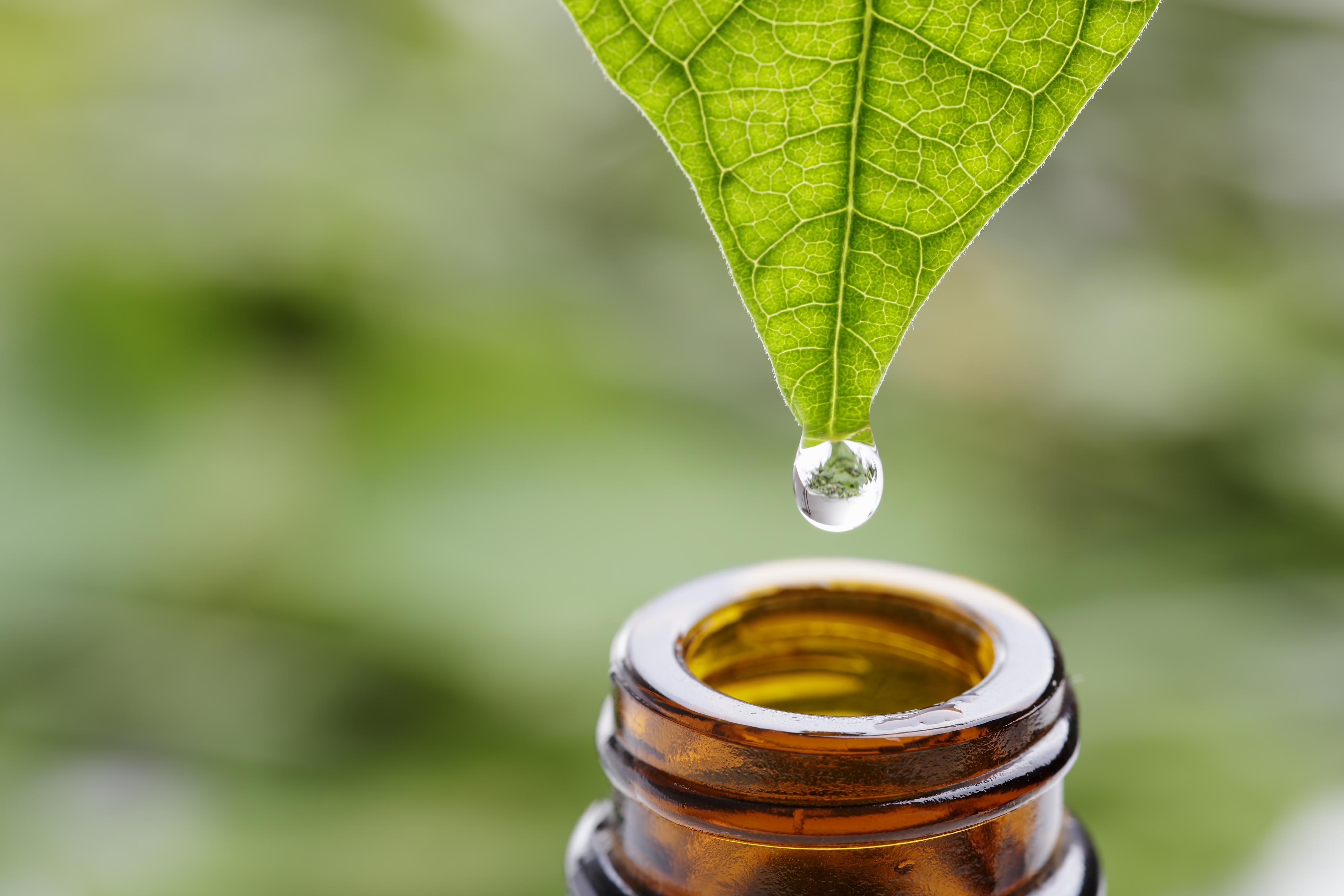
Having a strategy in place for sourcing ingredients will make your business more resilient. These strategies prioritize safety, traceability, and compliance.
Importance of COA and SDS Documents
The COA and SDS documents are your best friends when it comes to ingredient sourcing. They provide transparency about the quality and safety of your ingredients. These documents are not just regulatory requirements; they are tools that help you ensure the credibility of your products. Always insist on up-to-date and complete documents from your suppliers.
Navigating Lot Tracking and Traceability
Lot tracking is a must for any skincare business. It allows you to trace each ingredient back to its origin, ensuring quality and accountability. Implementing a robust lot tracking system can protect your brand from potential recalls and enhance your reputation for transparency and safety.
Ensuring GMP Compliance
Good Manufacturing Practice (GMP) compliance is a non-negotiable in skincare manufacturing. Ensure your suppliers adhere to GMP standards. This compliance guarantees that the products are consistently produced and controlled to quality standards, minimizing risks and ensuring your products are safe for consumers.
Ready-to-Use Bases for Scaling
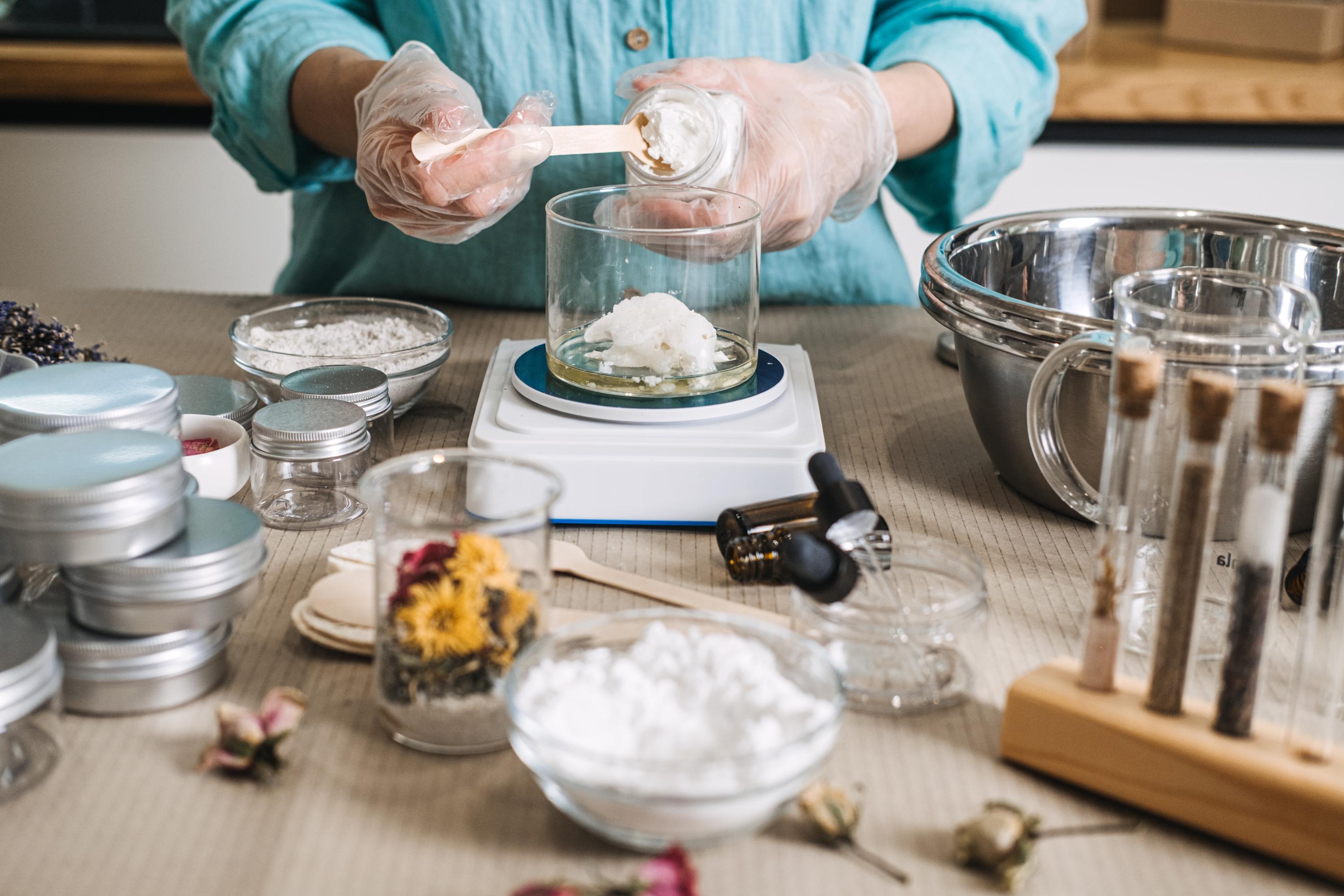
Ready-to-use bases can be a game-changer for scaling your skincare business. They offer convenience and flexibility, allowing you to expand your product line efficiently.
Benefits of Plant-Based Skincare Bases
Plant-based skincare bases are popular for their natural appeal and customer demand for ethical products. They simplify the production process, as they come pre-formulated with stable and safe ingredients. This minimizes the need for extensive formulation work, saving you time and resources.
Customizing and Bottling for Success
Once you have your base, customization is key. You can add unique scents, colors, or active ingredients to create a signature product. This customization allows you to cater to specific market niches, enhancing your brand’s appeal and boosting sales.
Planning for Skincare Business Growth
Planning for growth involves anticipating future needs and scaling accordingly. Consider your product’s market demand and prepare your supply chain to handle increased production. Ready-to-use bases make this transition smoother, as they provide a stable foundation on which you can build your expanding product line.
Frequently Asked Questions
What are COA and SDS documents?
COA (Certificate of Analysis) confirms the purity and composition of an ingredient, while SDS (Safety Data Sheet) provides information on handling, hazards, and safety measures.
Why is lot tracking important in skincare?
Lot tracking ensures each ingredient can be traced back to its origin, which is crucial for quality control and accountability, particularly in the event of a recall.
How can ready-to-use bases benefit my skincare business?
Ready-to-use bases save time and resources by providing a stable, pre-formulated product. They allow for easy customization and rapid scaling, which is ideal for growing your brand.