 Skip to content
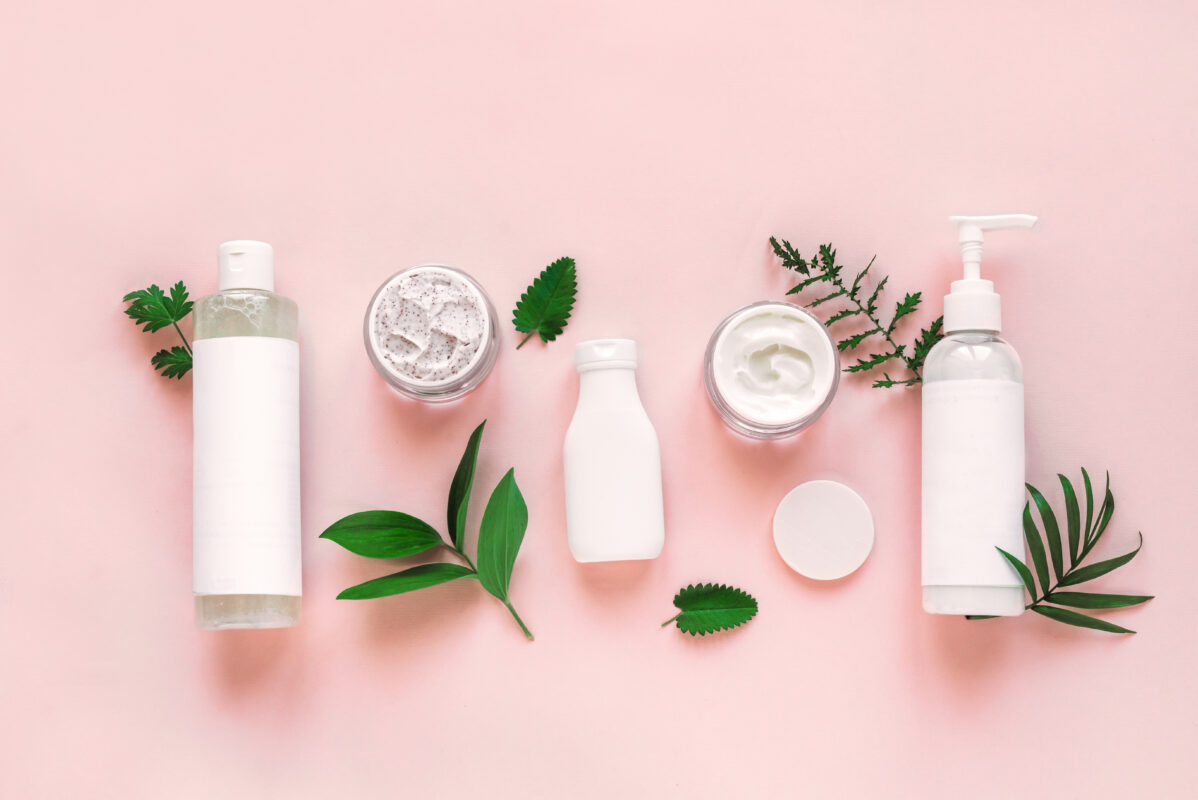
Launching a skincare line often feels like a mountain of challenges—formulas, labs, and long waits. What if you could skip the lab and still create professional products? This guide walks you through using ready-to-use, plant-based skincare bases to customize, bottle, and sell with confidence. You’ll learn key steps—from picking your base and scents to pricing and packaging—so you can start your brand faster and smarter. For more insights, check out this step-by-step guide on how to launch a private label skincare line.
Choosing Your Skincare Base
Starting your skincare line begins with selecting the right base. It’s the foundation of your product’s performance and appeal.
Selecting Ready-to-Use Bases
Ready-to-use bases simplify the creation process. They save time by eliminating the need for complex formula development. Imagine a base you can just customize and bottle. That’s exactly what’s offered here. These bases are already formulated with high-quality ingredients. They’re designed to be stable, effective, and easy to work with. By using a professional-grade base, you ensure your products meet industry standards, which is crucial for building a reputable brand.
Exploring Plant-Based Options
Choosing plant-based options ensures your products align with the growing demand for natural beauty. These bases are crafted from botanical ingredients, focusing on purity and sustainability. People love products that are gentle on their skin and the planet. These bases can help you tap into a market that is increasingly conscious of what goes into their skincare. Whether it’s a shea and aloe lotion base or a sugar scrub, plant-based options offer versatility and appeal to eco-conscious consumers.
Understanding Base Customization
Customization is where your creativity shines. You can add scents, actives, and other ingredients to create a unique product line. This process allows you to tailor products to specific skin types or concerns. For instance, you can start with a vitamin C serum base and add essential oils for fragrance. This not only personalizes your products but also enhances their appeal. Customization is key to differentiating your brand in a competitive market.
Customizing and Bottling Your Products
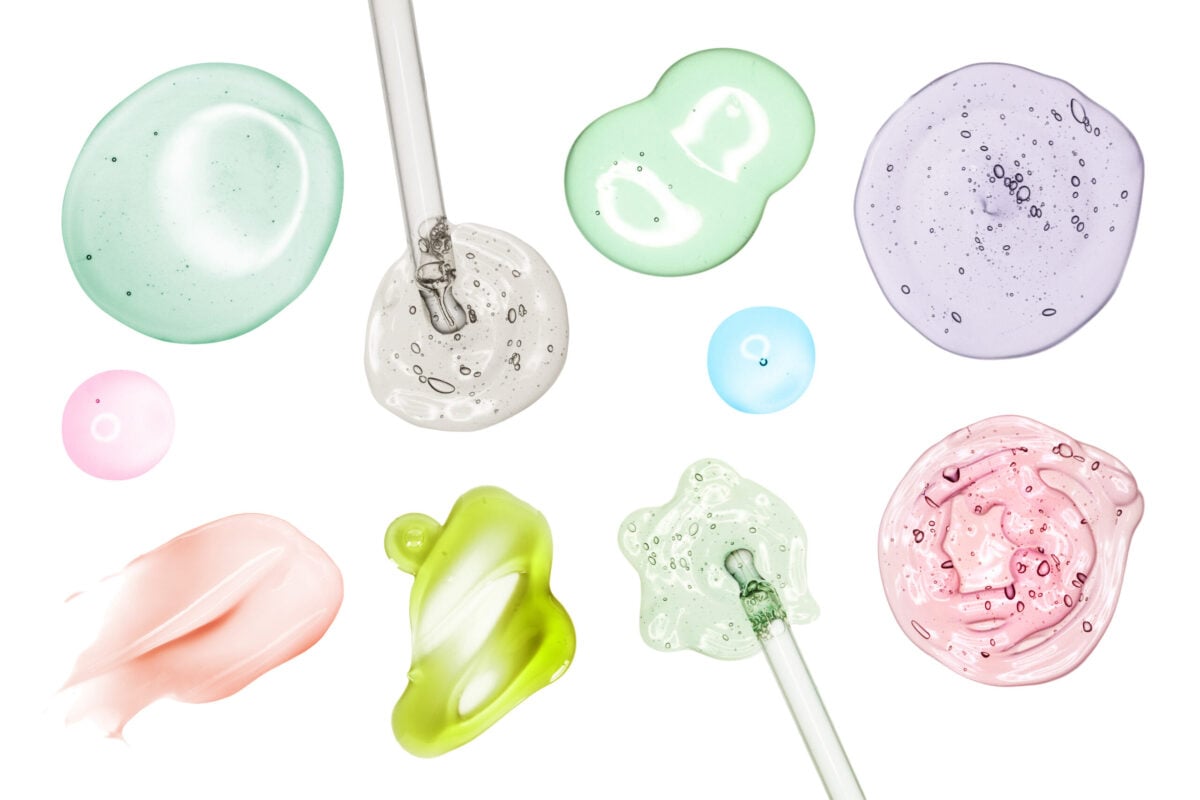
Once you’ve selected your base, it’s time to transform it into a distinctive product.
Adding Scents and Actives
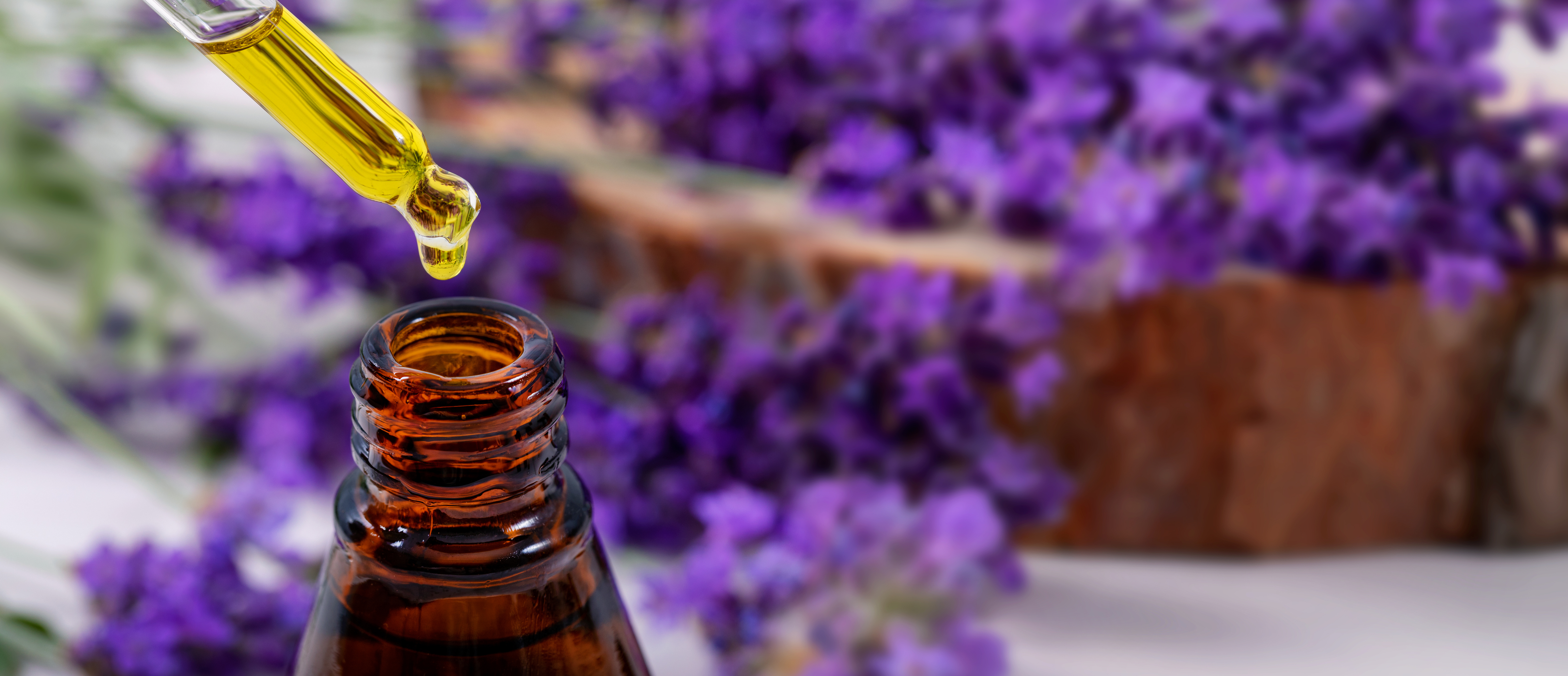
Scents and actives give your products that special touch. Essential oils are a popular choice for adding natural fragrance. They can also provide additional skin benefits. Consider using oils like lavender for relaxation or tea tree for its purifying properties. Actives, such as niacinamide or hyaluronic acid, enhance the product’s effectiveness. By carefully selecting these elements, you can create skincare that not only smells great but also delivers results.
Packaging and Branding Essentials
Packaging is more than just a container; it’s a reflection of your brand. Choose packaging that aligns with your brand’s identity and values. Clear, elegant bottles may showcase a minimalist aesthetic, while colorful, bold designs can convey energy and excitement. Your packaging should protect the product and ensure ease of use. Remember, the first impression often comes from the product’s appearance on the shelf.
Labeling Basics for Skincare
Labeling is crucial for compliance and customer trust. Your labels must include ingredients, usage instructions, and any necessary warnings. Transparency is key, so ensure your labels are honest and clear. This builds trust with your customers and helps you meet regulatory requirements. A well-labeled product signifies professionalism and attention to detail.
Pricing and Launch Strategies
With your products ready, it’s time to think about pricing and launching your brand.
How to Price Skincare Products
Setting the right price involves balancing costs and perceived value. Start by calculating the cost of ingredients, packaging, and labor. Then, research competitors to understand market rates. Remember, pricing not only affects your profit but also how your brand is perceived. Offering high-quality products at a fair price can position your brand as a value leader in the market.
Compliance and Legal Considerations
Navigating the legal landscape is vital for your business’s success. Ensure your products comply with local regulations, which can vary widely. This might include safety testing or specific labeling requirements. By understanding and adhering to legal obligations, you protect your brand from potential pitfalls and build credibility with consumers.
Scaling Your Skincare Brand 🚀
Scaling your brand means expanding your reach and product line. Start by analyzing what works well and why. Use this insight to develop new products or enter new markets. Building strong relationships with suppliers and customers can support growth. Think about expanding your marketing efforts and exploring partnerships to increase brand visibility. The goal is to grow sustainably while maintaining quality and customer satisfaction.
Frequently Asked Questions
What is a ready-to-use skincare base?
A ready-to-use skincare base is a pre-formulated product that provides the essential characteristics of a skincare item, allowing you to add your own scents and actives for customization.
How do I choose the right plant-based base for my brand?
Consider your target audience and the skin concerns you want to address. Look for bases with ingredients that align with your brand’s values, like sustainability and ethical sourcing.
What are the legal requirements for selling skincare products?
Legal requirements include proper labeling, safety testing, and compliance with local regulations. It’s important to research and adhere to these requirements to ensure your products are safe and market-ready.