 Skip to content
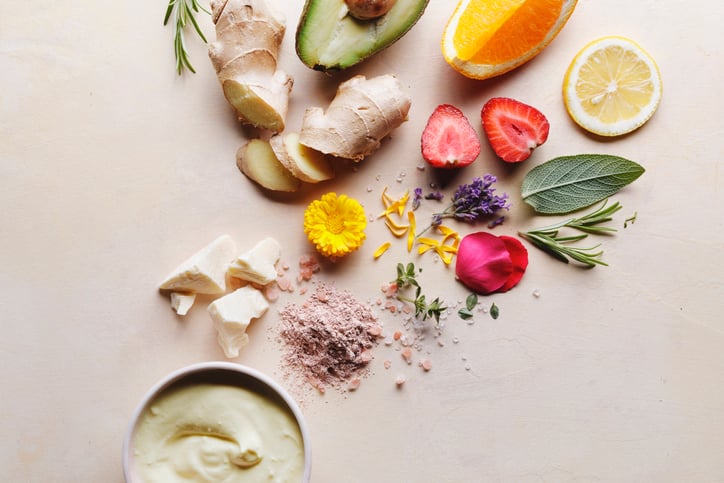
Most homemade body butter recipes demand hours of trial and error before you get a product worth selling. You want to make whipped body butter that feels luxurious, smells inviting, and holds up on shelves—all without becoming a cosmetic chemist. This guide walks you through customizing our Shea & Cocoa Body Butter Base in 10 minutes, so you can confidently bottle and sell your own signature body butter faster than ever. Check out this easy homemade body butter guide for more inspiration.
Quick and Easy Body Butter Customization
Creating a body butter that’s both luxurious and ready for market doesn’t have to be complicated. Here’s how you can achieve a silky, personalized product in just ten minutes.
Whip Your Base for Perfect Texture
The texture of your body butter can make or break a customer’s first impression. To achieve that light, airy feel, whip the Shea & Cocoa Body Butter Base for about five minutes using a hand mixer. This process incorporates air, giving the butter a smooth, fluffy consistency. Cooling the base slightly before whipping can also help in achieving better volume. If you’re looking for a more luxurious feel, consider adding a teaspoon of your favorite carrier oil to the mix.
Whipping the base is not only about texture; it also enhances its spreadability. A well-whipped butter glides effortlessly over the skin, leaving behind a soft, nourished finish. It’s a simple step that can turn a basic product into a premium offering.
Essential Oils for Body Butter
Choosing the right essential oils can elevate your body butter’s appeal and provide added benefits. Popular choices include lavender for relaxation, peppermint for a refreshing tingle, and tea tree for its cleansing properties. When adding essential oils, less is more. Typically, 10-20 drops per cup of butter base is sufficient to impart a noticeable but not overwhelming scent.
Beyond fragrance, essential oils like eucalyptus and rosemary can offer therapeutic effects, enhancing your product’s marketability. Always test a small batch first to ensure the scent combo is right. Check out this DIY body butter recipe for more essential oil ideas.
Carrier Oils to Enhance Feel
Carrier oils are the unsung heroes in body butter formulations. They not only dictate how the butter feels on the skin but also enhance its nourishing properties. Popular choices include jojoba, sweet almond, and coconut oils. Each has unique benefits: jojoba mimics skin’s natural oils, almond is rich in vitamins, and coconut provides deep hydration.
When choosing a carrier oil, consider your target audience’s needs. For example, if catering to dry skin, opt for heavier oils like avocado. For a lighter feel, try grapeseed. Incorporating a small amount—about a tablespoon per cup of base—can make a significant difference in your product’s appeal. Learn more about carrier oils for body butter.
Packaging and Selling Your Creation
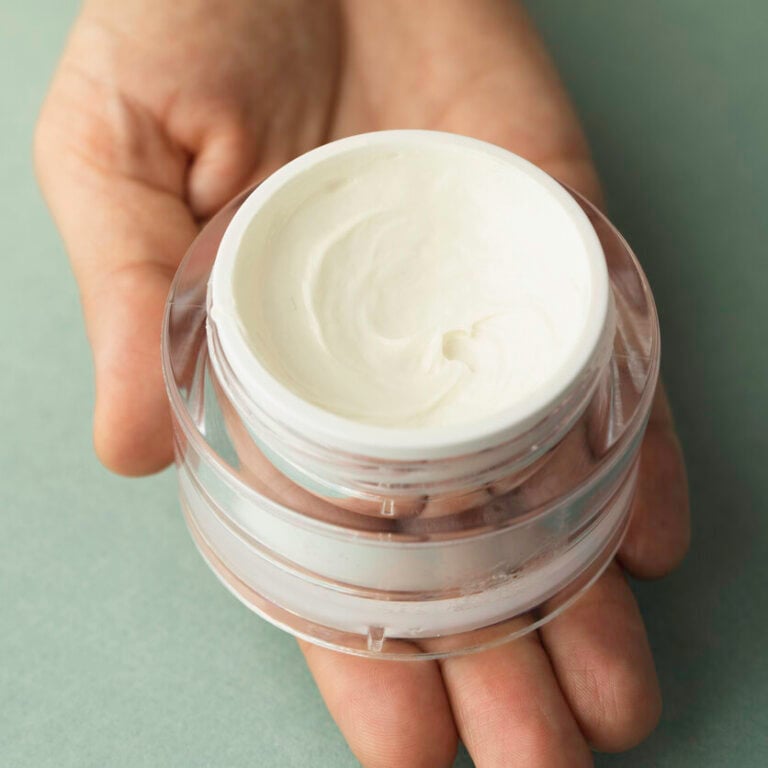
Once your body butter is perfected, it’s time to think about packaging and presentation. This step is crucial as it directly influences buying decisions.
Choose the Right Containers
Selecting the right container can enhance the overall experience of your body butter. Consider jars that are easy to open and close, like glass or high-quality plastic. These materials not only preserve the product’s integrity but also add to its aesthetic appeal. Opt for containers with wide openings, making it easier for users to scoop out the butter.
Transparency in packaging can also be a selling point, allowing customers to see the product’s texture and color. Additionally, consider environmentally-friendly options to appeal to eco-conscious consumers. Explore wholesale body butter base options for your packaging needs.
Labeling Tips for Brand Recognition
Labels are more than just informative—they’re a marketing tool. Ensure yours clearly state the product’s name, ingredients, and any benefits. Use a simple, clean design with your brand’s colors and logo for immediate recognition. Consider adding a personal touch, like a handwritten batch number or a short message, to connect with your customers.
Don’t forget about regulatory requirements, like listing all ingredients in descending order of weight. A well-labelled product not only establishes trust but also enhances your brand’s credibility. This guide on creating a signature skincare product can offer more insights.
Scaling Your Skincare Business
With your product ready, it’s time to think about growth. Scaling your business requires planning and strategy.
Wholesale Options for Growth
Expanding your reach through wholesale can significantly boost your business. Consider partnering with local boutiques, spas, and refill shops that align with your brand’s values. Offering your body butter in bulk sizes not only appeals to retail partners but also streamlines production processes on your end.
Engage with potential wholesale clients by offering samples and demonstrating your product’s unique qualities. Highlight the benefits of your body butter, such as its plant-based ingredients and customizable options. Explore wholesale body butter base opportunities to boost growth.
Reordering Programs for Consistency
Building a loyal customer base means ensuring they never run out of your product. Implement reordering programs that offer incentives for repeat purchases. These could include discounted rates or subscription services that deliver fresh batches regularly.
Consistency is key—ensure your supply chain can meet demand without compromising quality. By offering these programs, you not only maintain customer satisfaction but also create a steady revenue stream. Remember, the longer you wait to implement these strategies, the more you risk losing potential repeat business.
Finally, remember that your journey from idea to finished product is just beginning. With the right approach and resources, your body butter can become a staple in many skincare routines. Keep experimenting, stay true to your brand, and watch your business flourish.