 Skip to content
Choosing the right ready-to-label skincare base can make all the difference when you’re preparing your next product. It’s not just about picking any base—it’s about matching texture, scent, and ingredients to fit your vision and timeline. In this guide, you’ll learn how to compare skincare bases effectively and feel confident in your selection. Explore our ready-to-use bases and check each product page for sample and larger-size options—start with Shea & Aloe Body Lotion to see texture and ingredient detail.
Understanding Your Skincare Base Needs
Finding the perfect skincare base involves knowing what you need and why. Let’s explore how different elements contribute to your product’s success.
Defining Product Role
Your product’s role defines its purpose in your line. Is it a moisturizer, a cleanser, or a serum? Each type serves a unique purpose. For instance, a moisturizer might aim to hydrate, while a cleanser purifies. Consider what your audience needs and how your product fits into their routine. This understanding directs every other decision you make, from ingredients to scent.
Evaluating Ingredient Lists
A comprehensive ingredient list offers insight into a base’s quality. Look for transparency in the INCI list skincare base—it shows every component used. Do you prioritize plant-based ingredients or specific actives like vitamin C? Knowing your preferences helps in selecting a base that aligns with your brand’s values and goals. Checking ingredient lists early saves time and ensures product compatibility.
Considering Texture and Scent
Texture and scent can make or break a product’s appeal. Do you want a light, non-greasy lotion or a rich, creamy butter? Texture affects application and user experience. Scent, meanwhile, should complement your brand’s identity. Choose scents that enhance the user’s journey with your product. Whether it’s lavender’s calm or citrus’s freshness, the right choice enhances your product’s allure.
Selecting the Right Skincare Base
Once you understand your needs, selecting the right base involves evaluating specific traits and options.
Assessing Documentation and Compliance
Documentation is crucial for ensuring safety and compliance. Look for a skincare base supplier that provides comprehensive documents, including safety data sheets and compliance certificates. These documents verify that the product meets regulatory standards. Compliance safeguards your brand and instills trust in your customers, making it a non-negotiable step in the selection process.
Exploring Sample and Size Options
Samples are invaluable when choosing a base. Trying a sample skincare base lets you experience texture and scent firsthand. Additionally, consider the size options available. Do they match your production needs? Many suppliers offer various sizes, allowing you to scale up seamlessly. This flexibility is vital for emerging brands ready to grow and adapt to market demands.
Comparing Base Textures and Functions
Comparing textures and functions helps fine-tune your choice. A wholesale lotion base might offer versatility and ease of use, catering to diverse needs. Meanwhile, bulk skincare bases can support larger-scale production. Understand how each base functions in different contexts to ensure it meets your product criteria. This step is about aligning product capabilities with your brand vision.
Spotlight on Shea & Aloe Body Lotion
Let’s hone in on a specific product to understand its unique benefits and uses.
Ingredient Highlights and Benefits
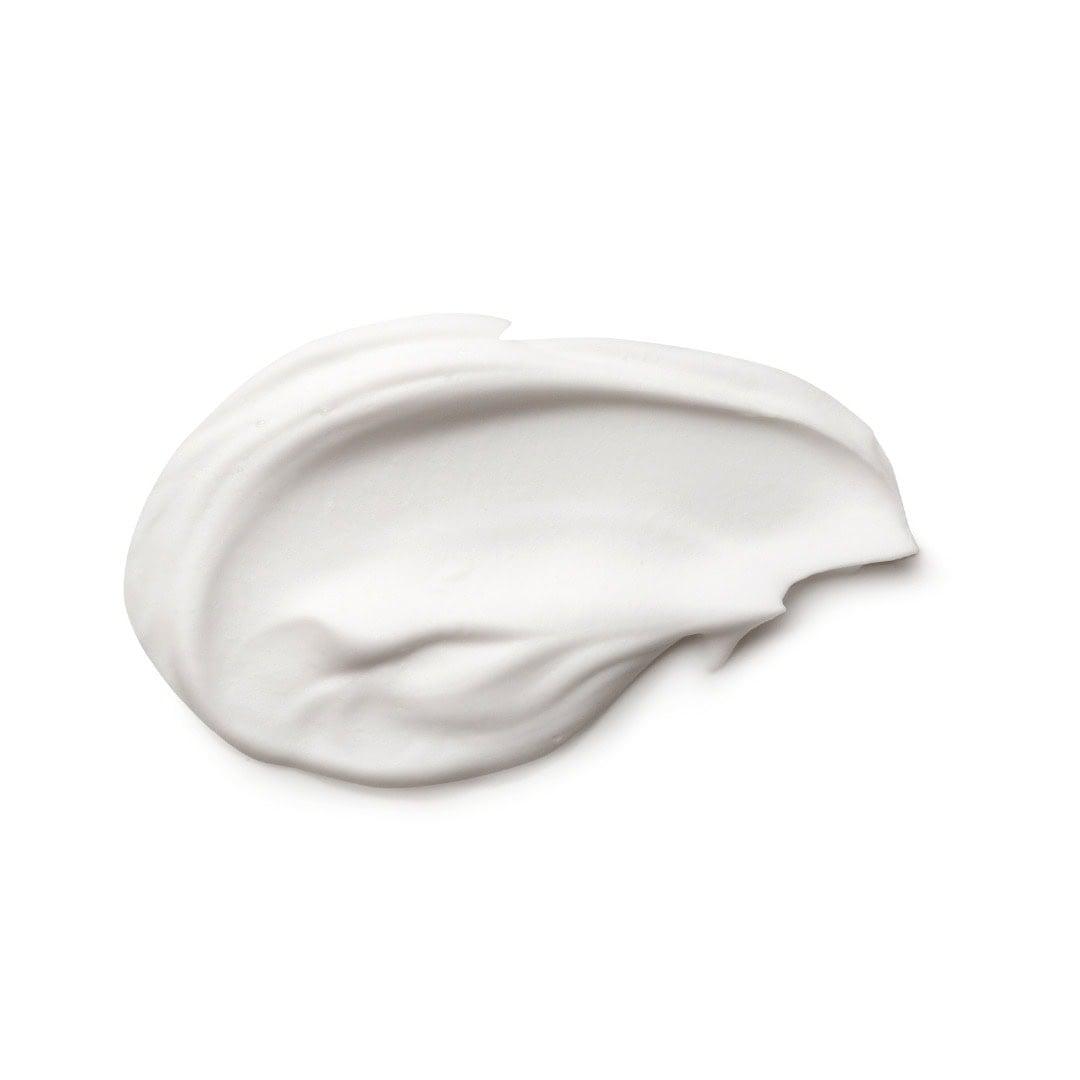
The Shea & Aloe Body Lotion is a standout for its nourishing formula. Shea butter offers deep hydration, while aloe soothes irritated skin. These ingredients work in tandem to provide a rich, moisturizing experience. This lotion’s composition is ideal for products targeting hydration and skin comfort, making it a potential hero in any skincare line.
Texture and Application Insights
This lotion’s texture is creamy yet absorbs quickly, leaving no greasy residue. It is perfect for daily use, appealing to customers seeking efficient hydration. Its application is straightforward, enhancing the overall user experience. By choosing such a well-balanced base, you ensure your product meets high standards, resonating with consumers focused on quality and care.
Frequently Asked Questions
1. What should I consider first when selecting a skincare base?
First, define your product’s role in your line. Knowing whether it’s a moisturizer, serum, or cleanser helps guide all other decisions, from ingredients to packaging.
2. How important are ingredients in a skincare base?
Ingredients are crucial. They determine the product’s effectiveness, safety, and alignment with your brand’s values. Always check the INCI list for transparency and compatibility.
3. Why are texture and scent important in skincare products?
Texture affects application and user satisfaction, while scent enhances the experience and aligns with brand identity. Both elements significantly impact the product’s appeal to customers.
4. How can I ensure a skincare base meets regulatory standards?
Look for suppliers that provide comprehensive documentation and compliance certificates. These documents verify that the product meets necessary safety and regulatory standards.
By understanding these aspects, you can confidently choose the right skincare base for your brand, ensuring it aligns with your vision and satisfies your customers’ needs.