
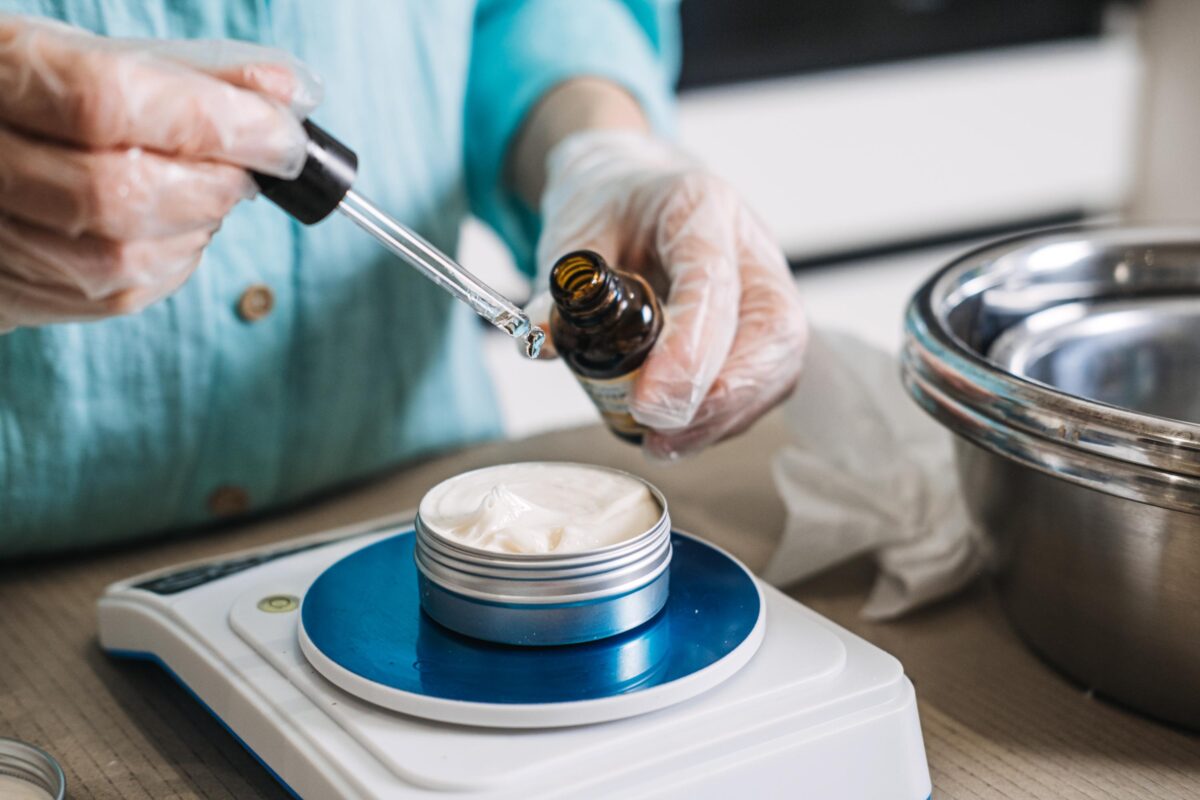
Choosing launch-ready skincare bases for your small brand doesn’t have to be overwhelming. You want products that fit your customer’s needs, match your brand’s values, and support healthy margins—all without spending months in a lab. In this guide, you’ll learn how to pick ready-to-use skincare bases that let you customize, bottle, and sell with confidence, so you can bring your vision to market faster and smarter.
Understanding Launch-Ready Skincare Bases
Let’s dive into what makes launch-ready skincare bases a great starting point for your brand.
What Are Ready-to-Use Bases?
Ready-to-use skincare bases are pre-formulated products that allow you to focus on customization and branding. These bases come with essential ingredients already included, providing a canvas for you to add unique elements or scents. Think of them as a reliable foundation, eliminating the need to worry about formulation stability. This approach speeds up your product development process, letting you focus on creating a line that reflects your brand’s essence.
Benefits of Skincare Bases for Small Brands
Utilizing skincare bases offers several advantages, especially for small brands. First, they save you valuable time by eliminating the need for extensive formulation and testing. This quick approach to launching products can be a game-changer for businesses looking to enter the market swiftly. Moreover, these bases help maintain consistent quality, which is crucial for building customer trust. By simplifying the creation process, they enable you to focus on marketing and growing your brand.
Key Features to Look For
When selecting skincare bases, look for features that align with your brand values and goals. Ensure the bases are plant-based and cruelty-free, supporting ethical consumer choices. The right base should also offer versatility for customization, whether through adding distinct scents or active ingredients. Consistency and quality should never be compromised, ensuring your final products meet customer expectations.
Selecting the Perfect Skincare Base

Once you understand the basics, it’s time to find a skincare base that complements your brand.
Aligning with Your Brand Vision
Your skincare products should reflect your brand’s vision and values. Choose bases that resonate with the message you want to convey. For example, if your brand emphasizes natural and ethical products, opt for plant-based and cruelty-free bases. This alignment not only reinforces your brand’s image but also appeals to your target audience’s preferences. By staying true to your vision, you create a more cohesive and attractive product line.
Evaluating for Customer Appeal
Understanding what your customers want is crucial for selecting the right skincare base. Consider their preferences: Are they looking for gentle, hydrating formulas or powerful, active-infused products? Conduct surveys or gather feedback to gauge their interests. This customer-centric approach ensures that your products not only meet their needs but also stand out in a crowded market.
Prioritizing Plant-Based and Cruelty-Free
Today’s consumers are increasingly concerned about the ethical implications of their purchases. By prioritizing plant-based and cruelty-free skincare bases, you cater to a growing segment that values sustainability and ethical practices. This choice positions your brand as responsible and forward-thinking, enhancing your reputation and appeal to conscientious buyers.
Customizing, Bottling, and Selling
With a base in hand, it’s time to personalize your products and get them ready for sale.
Adding Unique Scents and Actives
Customization is key to making your skincare line unique. Consider adding special scents or active ingredients to differentiate your products. Essential oils like lavender or peppermint can provide a signature fragrance, while actives such as vitamin C or niacinamide can address specific skin concerns. This step allows you to create a product line that stands out and meets diverse customer needs.
Effective Packaging for a Small Brand
Packaging plays a crucial role in how your products are perceived. Choose packaging that not only protects the product but also enhances its appeal. Consider eco-friendly options to align with a sustainable brand image. Eye-catching designs and clear labeling help communicate your brand story and product benefits effectively, making a memorable impression on potential buyers.
Steps to a Successful Skincare Launch 🚀
Launching your skincare line successfully involves a few key steps:
-
Finalize Your Products: Ensure your products are fully tested and meet quality standards.
-
Develop a Marketing Plan: Identify your target audience and craft a message that speaks to them.
-
Set Up Distribution: Decide on sales channels, whether online, in-store, or both.
-
Plan a Launch Event: Generate excitement with promotions or a launch event to introduce your products to the market.
By following these steps, you’re well on your way to bringing your skincare brand to life.
Frequently Asked Questions
What are the advantages of using launch-ready skincare bases?
Launch-ready bases save time and ensure consistent quality. They allow small brands to focus on branding and customization without needing a lab, making it easier to bring products to market quickly.
How can I ensure my skincare bases align with my brand values?
Choose bases that are plant-based and cruelty-free. This alignment with ethical practices not only strengthens your brand image but also appeals to conscientious consumers.
What should I consider when customizing skincare products?
Focus on adding unique scents and active ingredients that cater to your target audience’s preferences. This personalization helps differentiate your products and meet specific customer needs.
How important is packaging in launching a skincare line?
Packaging is crucial for protecting and promoting your products. It should reflect your brand’s values and aesthetics, with eco-friendly options enhancing sustainability efforts.
What steps are essential for a successful skincare launch?
Ensure your products meet quality standards, develop a marketing plan, establish distribution channels, and create excitement with a launch event or promotion. These steps help effectively introduce your brand to the market.