 Skip to content
Choosing the right ready-to-use skincare base can feel overwhelming when you’re eager to launch your brand but don’t want to waste time or money on trial and error. Many entrepreneurs struggle to find a formula that fits their target customer, price point, and sales channel without a lab or complex setup. This step-by-step guide breaks down exactly how to evaluate wholesale skincare bases, so you can customize, bottle, and sell with confidence—faster than you thought possible.
Evaluating Your Skincare Base Needs
Embarking on a journey to start your skincare brand begins with understanding what your customers need. This section helps you set the right foundation.
Understand Your Target Customer
Knowing your target customer is the first step to a successful skincare line. Who are they? What do they need? Are they looking for plant-based, cruelty-free options? These questions guide your decisions. For example, a customer looking for anti-aging solutions might be interested in products with retinol or niacinamide.
Identifying your customer’s preferences helps in selecting the right base. It allows you to cater to their specific needs, whether that’s hydration, anti-aging, or brightening. If your customers prefer natural products, consider bases with ingredients like shea butter or aloe. Engaging with potential customers through surveys or social media can provide insights into their interests.
With a clear understanding of your audience, your product selection will align better with their expectations, increasing the chances of success.
Determine Your Price Point
Understanding pricing is key to making informed decisions about your skincare line. Pricing affects your brand’s perception and sales potential. Start by researching competitors in your niche. What are their price ranges? This gives a baseline to work with.
Consider your costs: production, packaging, and marketing. Ensure your pricing covers these while remaining attractive to customers. Balancing a competitive price with quality is crucial. For luxury products, emphasize premium ingredients and exclusivity.
Pricing should reflect value. If your product offers unique benefits, customers might be willing to pay a premium. Keep adaptability in mind, ready to adjust prices as needed.
Identify Suitable Sales Channels
Choosing where to sell impacts your brand’s reach and success. Consider your target audience’s shopping habits. Do they prefer online shopping or local boutiques? This guides your sales channel decisions.
Online platforms like Etsy or your own website increase reach. They’re ideal for niche products or when targeting a broad audience. For local sales, consider partnering with boutiques or setting up a pop-up shop. Each channel has pros and cons.
Evaluate the potential reach and costs of each option. Align your choice with your brand’s identity and customer preferences. Selecting the right channels maximizes exposure and sales potential.
Key Factors in Choosing a Base
Once you’ve established your needs, focus on the quality and characteristics of the skincare base itself. This will ensure your product stands out in the market.
Assess Ingredient Quality and Ethics
The quality of ingredients in your skincare base is non-negotiable. Customers today prioritize clean, ethically-sourced products. Check for plant-based and cruelty-free certifications. Ingredients should be free from harmful chemicals like parabens or sulfates.
Look into the supplier’s sourcing practices. Are they sustainable and fair-trade? Ethical sourcing not only appeals to conscious consumers but also builds trust in your brand. Many consumers are willing to pay more for products that align with their values.
By prioritizing quality and ethics, you ensure that your product doesn’t just meet but exceeds customer expectations. This can be a unique selling proposition for your brand.
Evaluate Customization Options
Customization is key in creating a unique product line. A base that allows for easy addition of scents, colors, or active ingredients offers flexibility. It lets you tailor products to specific customer needs.
Consider what customization options your supplier offers. Can you add essential oils or botanical extracts? Customization should be simple yet effective, allowing you to create a diverse product range without complicating the process.
Offering personalized products can be a major draw for customers, helping you stand out in a crowded market. Ensure you have access to the right tools and ingredients to make this possible.
Consider Size and Scalability
Think about your business’s future growth when selecting a skincare base. Can your supplier meet larger orders if demand increases? Scalability is crucial for long-term success.
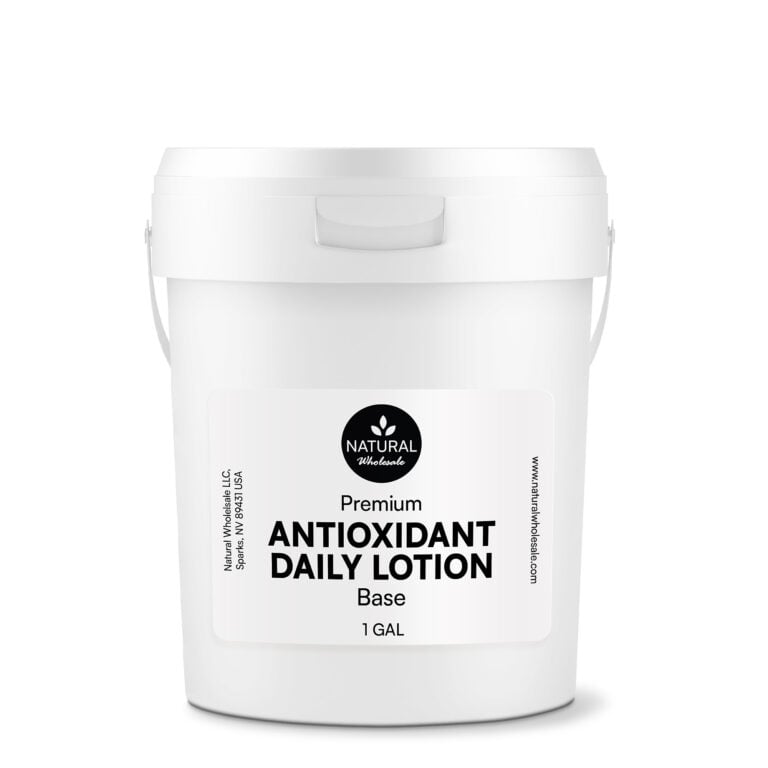
Consider the available base sizes: do they offer bulk options like 5-gallon or even 25-gallon sizes? This is beneficial for scaling up production without frequent reordering. Bulk purchasing can also be cost-effective.
Choosing a scalable option ensures you can meet growing demand without compromising on quality or delivery times. It sets the foundation for sustained business growth.
Practical Steps for a Confident Selection
With a clearer understanding of what you need, you’re ready to make informed decisions and feel confident in your choices.
Testing and Sampling Products
Sampling is a smart step before committing to a large purchase. It allows you to test the base’s performance and compatibility with your brand vision. Request samples and assess texture, scent, and ease of customization.
Conduct product testing with a small group of your target audience. Gather feedback on their experience. This helps identify any issues and confirms the product’s appeal before full-scale production. Testing ensures you select a product that aligns with your brand’s standards.
Reviewing Supplier Support and Resources
Suppliers can make or break your product journey. Evaluate the support and resources they offer. Do they provide guidance or educational materials? Good suppliers offer more than just products; they offer partnership.
Check their reputation and customer feedback. Responsive support is invaluable, especially when dealing with issues or seeking advice. A reliable supplier ensures smooth operations and builds confidence in your business.
Making Your Final Decision
With all information in hand, it’s time to decide. Compare options based on your evaluations. Consider factors like quality, cost, and brand alignment. Your choice should feel right for your business vision.
Trusting your instincts can be as important as the data. If a base aligns with your brand values and customer needs, it’s likely a good fit. Once decided, move forward with confidence, knowing you’ve made an informed choice.
Frequently Asked Questions
How do I determine the right price for my skincare products?
Research competitors and consider your costs. Ensure your price covers production, packaging, and marketing expenses. Align your pricing with brand positioning, whether it’s luxury or budget-friendly.
What should I look for in a skincare base supplier?
Look for suppliers offering high-quality, plant-based, and cruelty-free products. They should provide responsive support, ethical sourcing, and scalability options. Positive customer reviews are a good indicator of reliability.
How can I test different skincare bases effectively?
Request samples from suppliers and conduct product testing with your target audience. Gather feedback on texture, scent, and performance. This ensures the base aligns with your brand standards before full-scale production.
Why is ingredient quality important in skincare bases?
High-quality ingredients ensure safety and effectiveness. They meet consumer demand for clean, ethical products and help build trust in your brand. This can be a unique selling point.
How do I customize a skincare base for my brand?
Choose a base that allows easy addition of scents, colors, or active ingredients. This lets you tailor products to specific customer needs, offering a diverse product range without complicating the process.