 Skip to content
Buying bulk essential oils can feel overwhelming when you’re just starting your skincare brand. But knowing what to look for—like COA and SDS documents, batch consistency, and safe dilution rates—makes a huge difference. This guide breaks down the smart way to buy essential oils in bulk, including cost-per-ounce math and pairing oils with ready-to-use skincare bases, so you can launch faster and scale with confidence. Check out this link for an overview of top wholesale essential oil manufacturers and suppliers.
Why Buy Bulk Essential Oils
Are you ready to take your skincare brand to the next level? Buying bulk essential oils is a smart move for those looking to launch faster and more efficiently.
Benefits for Skincare Brands
Bulk buying offers a range of advantages for skincare brands. When you purchase essential oils in larger quantities, you cut down on costs and ensure you always have the ingredients you need on hand. This way, you can maintain consistent product quality. Many successful brands rely on this strategy to keep pace with demand while ensuring their products remain consistent and high quality.
Another benefit? Flexibility. Having a stockpile of essential oils lets you experiment with different formulations without worrying about running out. You can try new scent combinations or tweak existing ones to better meet customer preferences. It’s a win-win for innovation and consistency in your line.
Cost-Per-Ounce Math Simplified
Knowing how to calculate cost-per-ounce can save your brand money. Start by dividing the total cost of your bulk purchase by the number of ounces you receive. This simple calculation helps you set competitive prices while maintaining healthy profit margins.
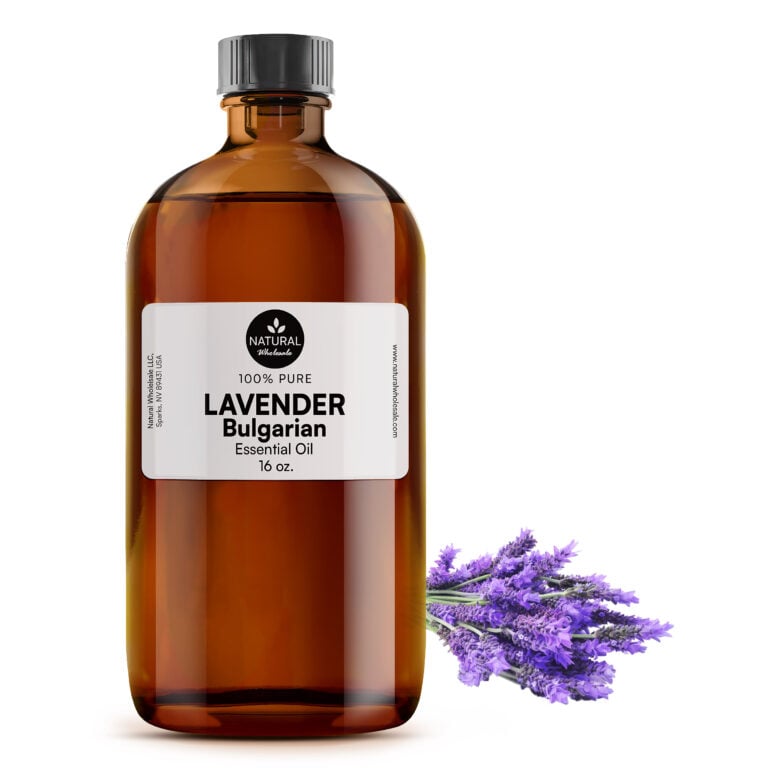
For example, if you buy 100 ounces of lavender essential oil bulk for $500, your cost is $5 per ounce. This kind of math is crucial when it comes to pricing your products and ensuring profitability. As you plan your budget, remember that small savings add up over time, helping your brand grow smoothly.
Reliable Wholesale Suppliers
Finding credible suppliers is key. A good supplier offers high-quality oils, transparent sourcing, and dependable delivery times. Look for suppliers who provide clear COA and SDS documents and have positive customer reviews. This ensures you’re getting the best raw materials for your line.
Building a relationship with a reliable supplier means you’re less likely to encounter unexpected shortages or quality issues. This stability allows you to focus on what matters most: creating amazing skincare products that your customers will love.
Quality Markers in Essential Oils
Once you’ve decided to buy in bulk, it’s crucial to ensure the quality of the oils you select. This section helps you understand the key markers of quality essential oils.
Understanding COA and SDS
COA (Certificate of Analysis) and SDS (Safety Data Sheet) are documents you must review. A COA provides a detailed breakdown of an oil’s composition, confirming its purity and quality. An SDS outlines safety measures for handling and storing the oils.
These documents protect your brand and your customers by ensuring you’re using safe, authentic ingredients. If a supplier hesitates to provide these, it’s a red flag. Only work with suppliers who are upfront and transparent about their products and processes.
Ensuring Batch Consistency
Consistency is king in skincare. Buying in bulk can lead to batch variations, which might affect your product’s scent or efficacy. To avoid this, check if your supplier offers batch testing and quality assurance processes. Consistent batches mean your customers will have the same great experience every time they use your product.
Moreover, maintaining a consistent product line helps build trust with your customers, encouraging repeat purchases and brand loyalty. You can learn more about sourcing and pricing at this Essential Oils Price Guide.
Safe Dilution and Blending Basics
Proper dilution is crucial for delivering safe, effective skincare products. Essential oils are potent and must be diluted correctly to avoid skin irritation. The general rule is to use about 1-2% essential oil in your formulations, though this can vary based on the oil and its intended use.
Follow IFRA guidelines to ensure your blends are safe and compliant. Understanding these guidelines helps you create products that are effective yet gentle on the skin. This knowledge empowers you to create a line that is both high-quality and safe for consumers.
Launching Faster with Ready-to-Use Bases
Ready-to-use bases speed up your launch process. With the basics covered, you can focus on customization and branding.
Pairing Oils with Bases
Choosing the right base for your oils is vital. Whether you’re using a lotion, serum, or cleanser base, the key is to create a harmonious blend. Start by identifying what you want your product to achieve—hydration, anti-aging, or relaxation—and select oils that support this goal.
For a calming lotion, you might combine lavender and chamomile. For an invigorating serum, consider peppermint essential oil bulk. Pairing your oils with complementary bases ensures your products are both effective and appealing to your target audience.
Customizing, Bottling, and Selling
Once your formulations are ready, it’s time to focus on packaging and sales. Customizing labels and bottles helps establish your brand identity. Consider eco-friendly packaging options to appeal to environmentally-conscious consumers.
Selling your products can be as simple as setting up an online store or distributing through local shops. The key is to ensure that your branding is consistent across all platforms. Your product should stand out on shelves and online, making it easy for customers to choose your line over others.
Building Your Scent Library Today
Creating a scent library allows you to expand your offerings effortlessly. Keep a record of all the oils and blends you use, noting customer favorites and successful combinations. This database becomes invaluable as you develop new products or seasonal lines.
With a well-organized scent library, you can quickly adapt to market trends and customer demands. Plus, it’s a fun way to experiment with new ideas and keep your brand fresh and exciting.
🌿✨
With these insights, you’re now equipped to make informed decisions about buying and using bulk essential oils. Your skincare brand is on the path to success, ready to bring delightful, high-quality products to market.