 Skip to content

Essential Oils Price Guide: Wholesale Costs, Margins, and Smart Sourcing for Your Brand
Essential oils price isn’t just a number on a label—it’s a puzzle of quality, supply, and smart sourcing that can make or break your brand. When you understand what shapes wholesale essential oils costs and how to compare suppliers, you gain the power to set profitable margins and control your product’s success. This guide breaks down essential oil pricing, cost-per-ml, and margin strategies so you can customize, bottle, and sell faster with confidence. Learn more about essential oil expenses and pricing here.
Understanding Essential Oil Pricing

Unlocking the secrets of essential oil pricing can elevate your brand’s potential. Let’s explore what affects these costs and how you can navigate them for success.
Factors Influencing Essential Oil Costs
What makes one essential oil more expensive than another? The answer lies in several key factors. First, consider the source and rarity of the plant. For example, rose oil requires thousands of petals for just one ounce, driving up costs. Next, the extraction process plays a role. Whether it’s steam distillation or cold pressing, each method has its own cost implications. Also, geographical origin matters. Oils from certain regions, like lavender from France, can command higher prices due to reputation. Finally, supply and demand impact costs. High demand for oils like frankincense can lead to price increases, especially if supply is limited.
Comparing Essential Oil Suppliers
Choosing the right supplier can make a big difference in cost and quality. Start by looking at reviews and testimonials. They can provide insights into the supplier’s reliability. It’s crucial to compare prices across multiple suppliers. Some might offer bulk discounts or special rates for long-term customers. Quality certifications are another vital aspect. Look for suppliers with certifications like organic or fair trade. These can be indicators of quality and ethical sourcing. Lastly, consider shipping costs and times. A supplier with lower prices but high shipping fees might not be the best deal.
Calculating Price Per Ml/Oz
Understanding the cost per ml or oz is essential for pricing your products effectively. Begin by determining the total cost of your essential oil batch, including any shipping or taxes. Divide this by the total ml or oz you’ve purchased to find the cost per unit. For instance, if you’ve paid $100 for 500ml of oil, your cost per ml is 20 cents. Keep this calculation handy as it will be crucial when setting your product prices or comparing supplier costs.
Setting Profitable Margins

Once you understand costs, it’s time to focus on setting margins that ensure profitability and competitiveness.
How to Price Essential Oils for Resale
Pricing your essential oils correctly can be the key to a successful business. Start by determining your total cost, including the price of the oil, packaging, and any additional expenses like labeling. Once you have your total cost, apply a markup that aligns with your brand’s strategy. A common practice is to double or triple your total cost to cover expenses and profit. Don’t forget to factor in market rates by checking out other brands’ pricing in your niche. This ensures your prices are competitive and appealing to customers.
Essential Oil Markup Strategies
When it comes to marking up your essential oils, clarity is crucial. Begin with a simple formula: Total Cost x Markup Percentage. A typical markup might be 100% to 300%, depending on your business model. For instance, if your total cost is $5, a 200% markup would price the oil at $15. Keep in mind, your markup should reflect product quality and brand positioning. Offering bundles or subscription discounts can also attract customers and enhance perceived value.
Essential Oil Margins Explained
Understanding margins is essential to maintain profitability. The margin represents the difference between your selling price and the cost of goods sold. To calculate, subtract your cost from your selling price, then divide by the selling price. For example, if you sell an oil for $30 that costs $10, your margin is $20, or around 67%. High margins allow room for promotions or unexpected costs, ensuring your business remains profitable even during fluctuations.
Smart Sourcing for Your Brand
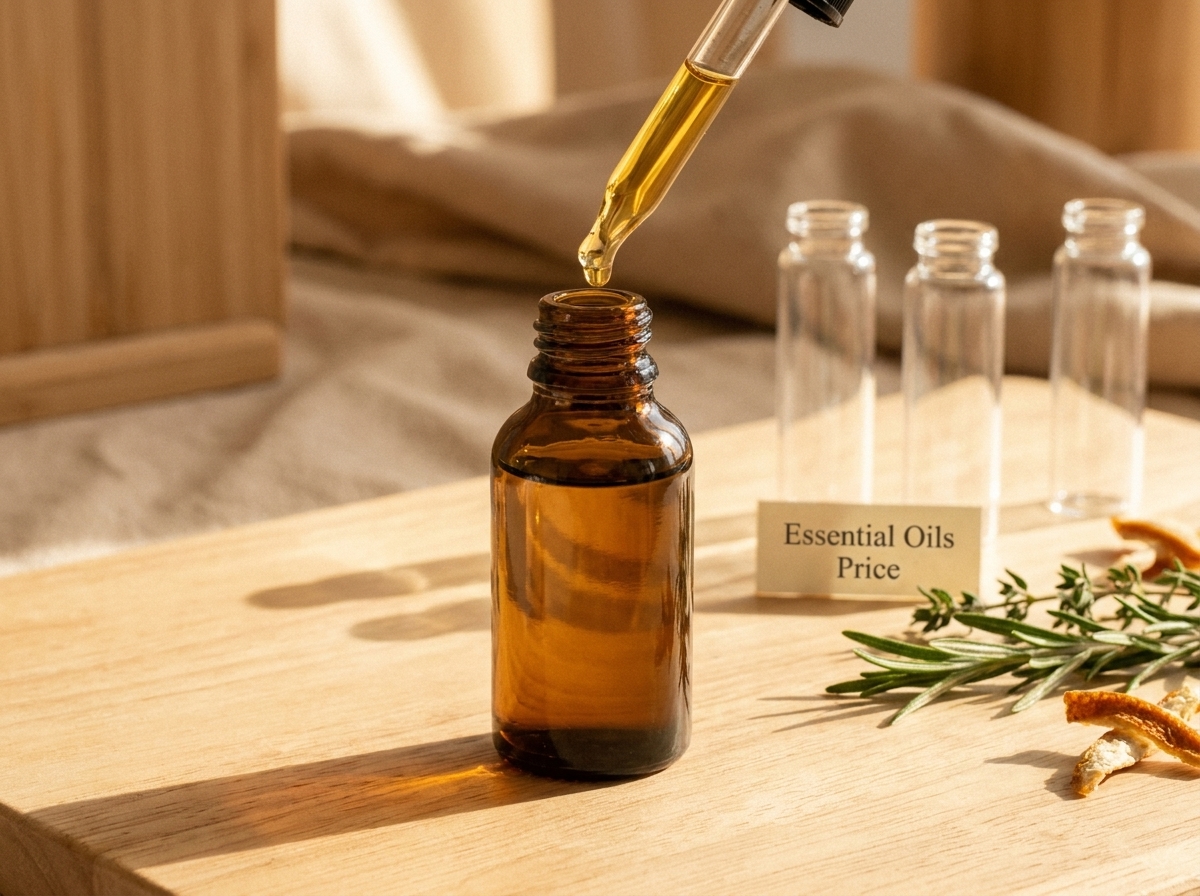
Now that margins are set, it’s time to source confidently, ensuring you get the best oils for your brand.
Choosing Wholesale Essential Oils
Selecting the right wholesale essential oils can transform your product line. Look for suppliers who offer transparent sourcing, detailing where and how their oils are produced. This transparency can assure you of quality and ethical practices. Consider suppliers who allow small order trials. These enable you to test quality before committing to large purchases. Lastly, a supplier’s customer service can be a deciding factor. Reliable support ensures any issues are quickly addressed, keeping your business running smoothly.
Sourcing Bulk Essential Oils Confidently
Purchasing bulk essential oils requires trust and strategy. Start by visiting platforms like Eden Botanicals to compare offerings. Ensure your supplier offers certified and tested oils. Quality assurance is crucial, especially when buying in bulk. Consider the storage and shelf life of the oils, as improper storage can degrade quality over time. Understanding these elements ensures you’re investing in high-quality oils that maintain their value.
Scenting Skincare Bases with Oils
Adding essential oils to your skincare bases can create unique, appealing products. Start by selecting oils that complement your base’s properties. For example, lavender oil pairs well with a soothing aloe base. Begin with a small amount, increasing gradually until you achieve the desired scent strength. Always test on a small batch first to ensure the scent blends harmoniously with the base. This careful approach ensures your final product is balanced and appealing to customers.
By understanding these essential oil pricing strategies and sourcing smartly, you empower your brand to thrive in the competitive market. Stay informed, make wise choices, and watch your business grow.